Why Hundreds of Red-and-Black Bugs Are Covering Your House
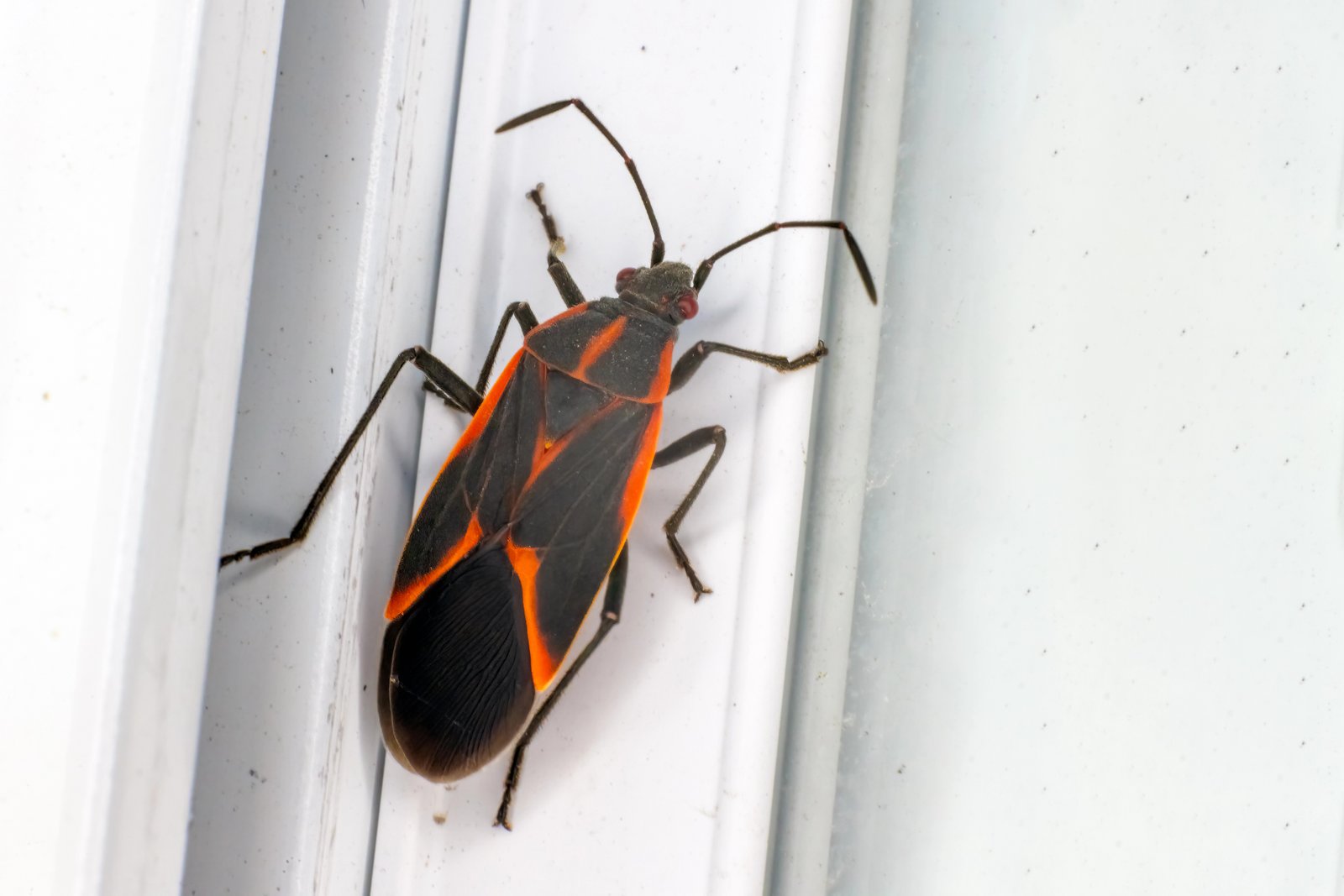
It starts in late September. One afternoon you notice a handful of dark bugs with red markings sitting on the sunny side of your house. By the next warm day, there are dozens. A week later, hundreds. They’re clustered on your siding, crawling around your window frames, and finding their way inside through every gap they can squeeze through.
These are boxelder bugs, and while they look alarming in numbers, understanding what’s happening explains why timing matters more than panic.
What’s Driving the Aggregation
Boxelder bugs spend spring and summer feeding on the seeds of boxelder trees — a common maple species found throughout Plainfield’s older neighborhoods, along the DuPage River corridor, and in the wooded lots bordering subdivisions. They’re quiet, unnoticed, and completely outdoor insects during warm months. The transformation happens when temperatures begin dropping in fall.
As days shorten and nighttime temperatures cool, boxelder bugs seek warm, protected overwintering sites. The south and west-facing walls of homes absorb the most sunlight and radiate heat into the afternoon — exactly what the bugs are looking for. They congregate on these warm surfaces, and here’s the detail that escalates the situation: boxelder bugs release a chemical aggregation pheromone that attracts more boxelder bugs to the site. The first few bugs on your wall are scouts. The pheromone signal is the invitation for hundreds more.
From your exterior walls, they work their way into cracks around window frames, beneath siding, through weep holes, gaps in soffits, and any unsealed penetration in your home’s envelope. Once inside the wall voids and attic spaces, they go dormant for the winter. On warm winter days, some will wake up prematurely and wander into your living space — sluggish, confused, and annoying.
They’re Harmless — But They’re Not Welcome
Boxelder bugs don’t bite, don’t feed on anything in your home, don’t reproduce indoors, and don’t cause structural damage. But they’re not consequence-free either. Their feces leave small, reddish-brown stains on fabrics, curtains, and walls. When crushed, they emit an unpleasant odor and leave a red-orange smear. In large numbers, finding them crawling across your bedroom ceiling on a January afternoon gets old quickly.
Why Timing Is Everything
Here’s what most homeowners don’t realize: once boxelder bugs are inside your walls, treatment options are limited. Spraying pesticides into wall voids is largely ineffective and can be counterproductive — the Illinois Department of Public Health notes that treating enclosed spaces where bugs are hiding often fails because the product can’t reach them. Worse, dead insects inside walls can attract carpet beetles and other secondary pests.
The effective window is before they enter. A professional exterior perimeter treatment applied in early to mid-September — before the aggregation peaks — creates a chemical barrier that significantly reduces the number of bugs that make it inside. Disrupting the early aggregations with water spray also helps by preventing the pheromone buildup that attracts the larger swarms.
Exclusion matters too. Sealing gaps around window frames, under siding, around utility penetrations, and in soffit joints eliminates the entry points they exploit. This work protects against boxelder bugs, Asian lady beetles, stink bugs, and every other fall invader that uses the same pathways.
What You Can Do Right Now
If they’re already inside, vacuum them — don’t crush them. Dispose of the vacuum bag immediately to prevent the odor from building up. Seal any visible entry points on interior walls (around outlets, light fixtures, window trim) to keep wall-void populations from wandering into your living space.
If you’re reading this before September, you’re in the ideal position. Our quarterly pest control program includes fall perimeter treatments timed specifically for the invader season. Contact Sanctuary Pest Control at 815-993-3472 to get ahead of the swarm.
Internal link → Quarterly Pest Control service page