
Mouse Exclusion Services
Trapping doesn't fix a mouse problem — exclusion does. We find every entry point, seal them permanently, and eliminate what's already inside.
Quoted after inspection
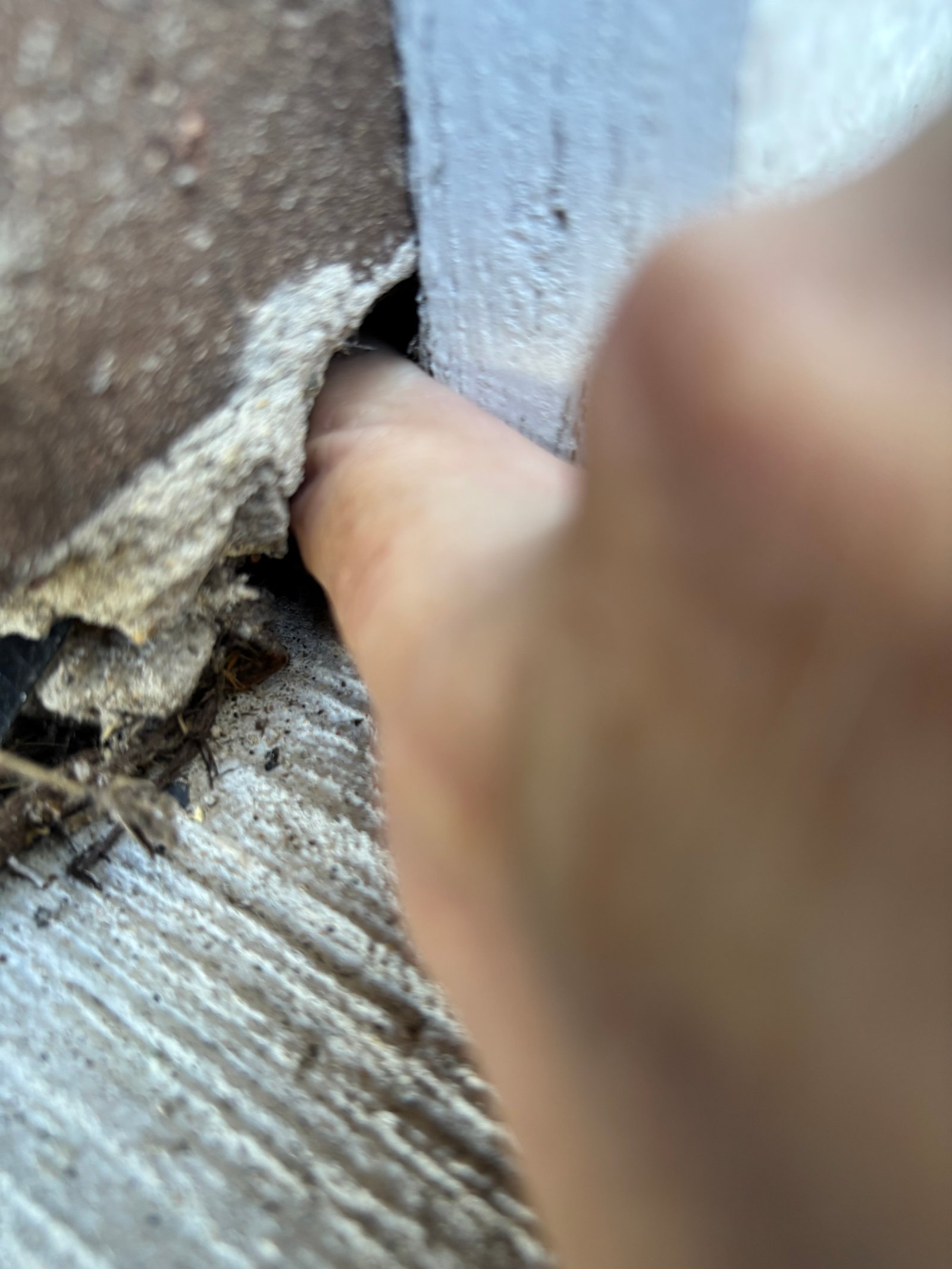
Sanctuary Pest Control handles mouse exclusion for homes across Plainfield, Joliet, Naperville, and the surrounding Will and DuPage County communities. The trap-and-spray approach most companies use treats the symptom and ignores the cause: gaps in your home's exterior that mice are using as a doorway. Our exclusion service is built around closing that door — permanently — so the same mice can't come back next fall, and new ones can't take their place.
Signs You Have a Mouse Problem
Droppings in cabinets, drawers, or along baseboards. Mouse droppings are dark, rice-grain shaped, and about a quarter-inch long. Fresh droppings are soft and dark; older ones are dry and gray. If you find them in kitchen drawers, pantry shelves, or under sinks, mice are actively moving through those areas at night.
Scratching or rustling sounds in walls or ceilings. Mice are nocturnal — most activity happens between dusk and dawn. If you hear scratching, scurrying, or gnawing inside your walls, attic, or above the ceiling, that's mice (or rats) moving through wall voids.
Chewed packaging or gnaw marks on baseboards, wires, or wood. Mice need to gnaw constantly to keep their incisors filed down. They'll chew through cardboard, plastic, and even thin wood and wire insulation. Chewed wiring is a fire hazard that's easy to overlook until it's too late.
A musky, ammonia-like odor. Mouse urine has a distinctive smell that builds up in active areas — under appliances, in cabinets, in attic insulation. If a corner of your kitchen smells "off" and you can't identify why, that's often the cause.
Nesting material — shredded paper, fabric, or insulation. Mice build nests from soft material. If you find shredded fragments in a closet corner, behind boxes in storage, or in attic insulation, you've found a nest site.
Why Mice Are More Than a Nuisance
Structural and electrical damage. Mice gnaw to manage their teeth — through wiring, plumbing PEX lines, drywall, and insulation. Chewed wiring is a documented cause of house fires. Damaged insulation reduces R-value, raising your heating costs. Repairs cost far more than prevention.
Disease and contamination. Mouse droppings, urine, and saliva can carry hantavirus, salmonella, and lymphocytic choriomeningitis. Contaminated food packaging in pantries and droppings in HVAC ductwork are real exposure risks for kids and pets.
Reproduction is fast. A single female mouse can produce 5–10 litters per year, with 5–6 young per litter. A few mice in October can become a serious infestation by January if nothing is done.
Our Mouse Exclusion Process
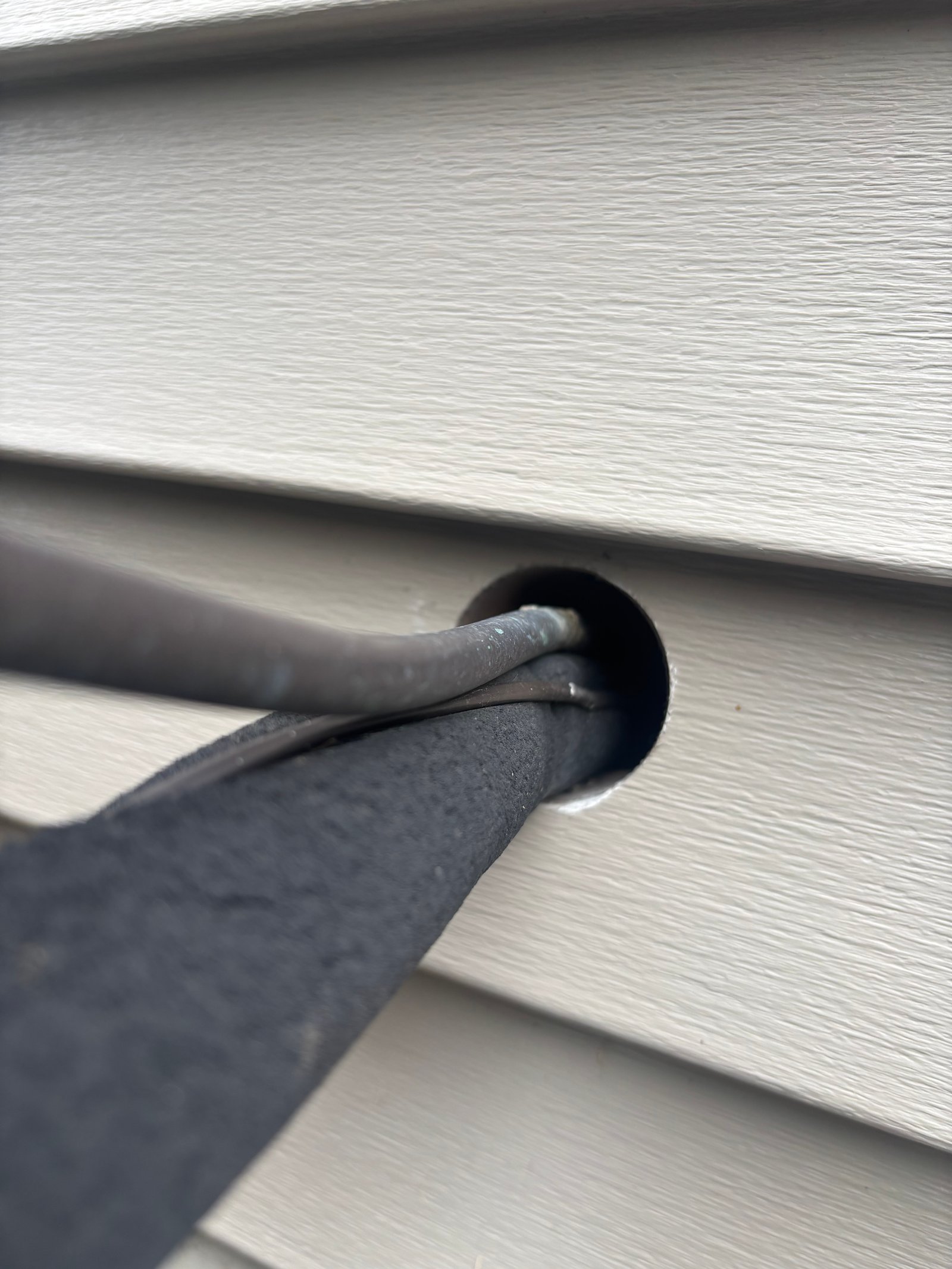
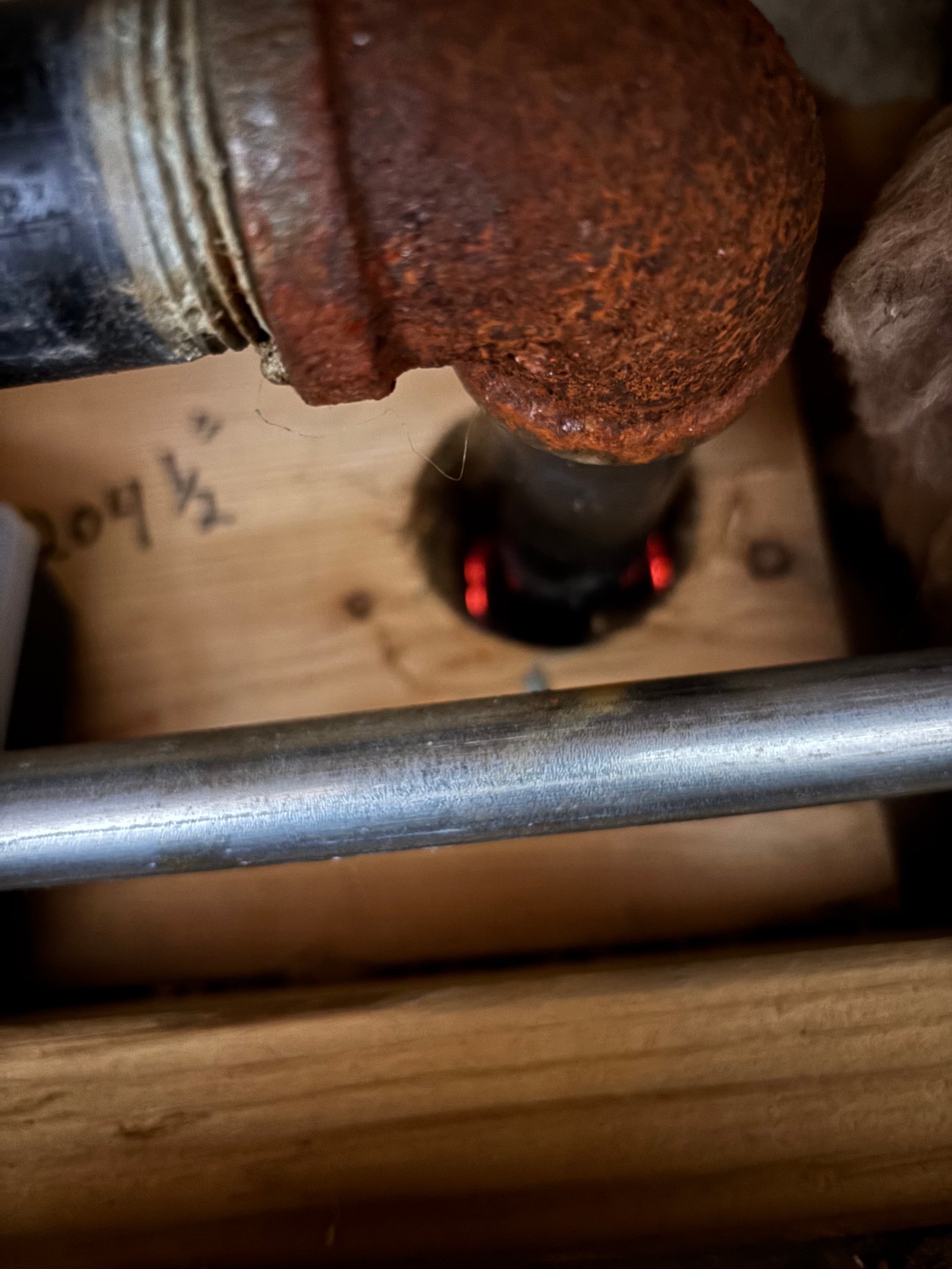
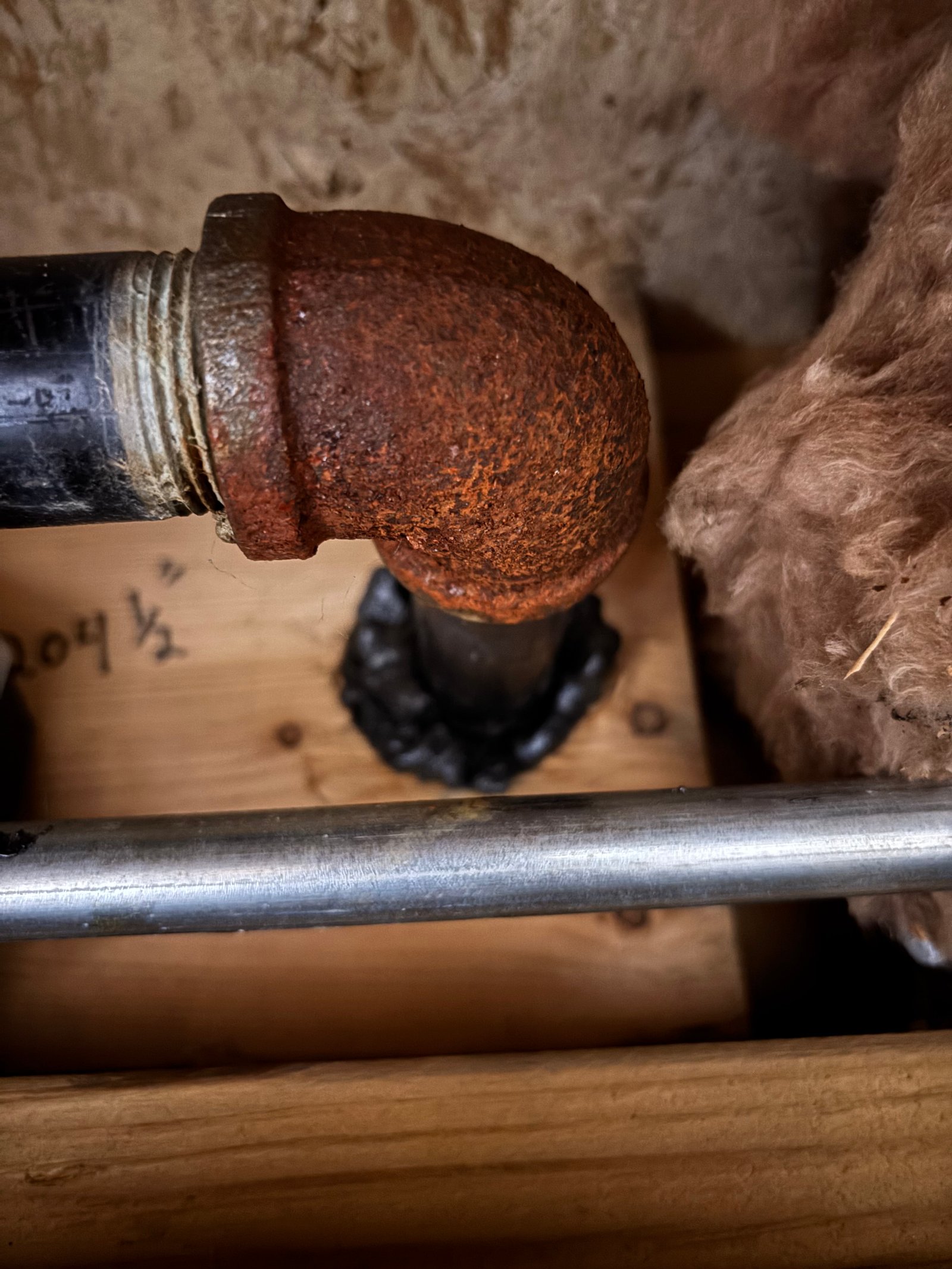
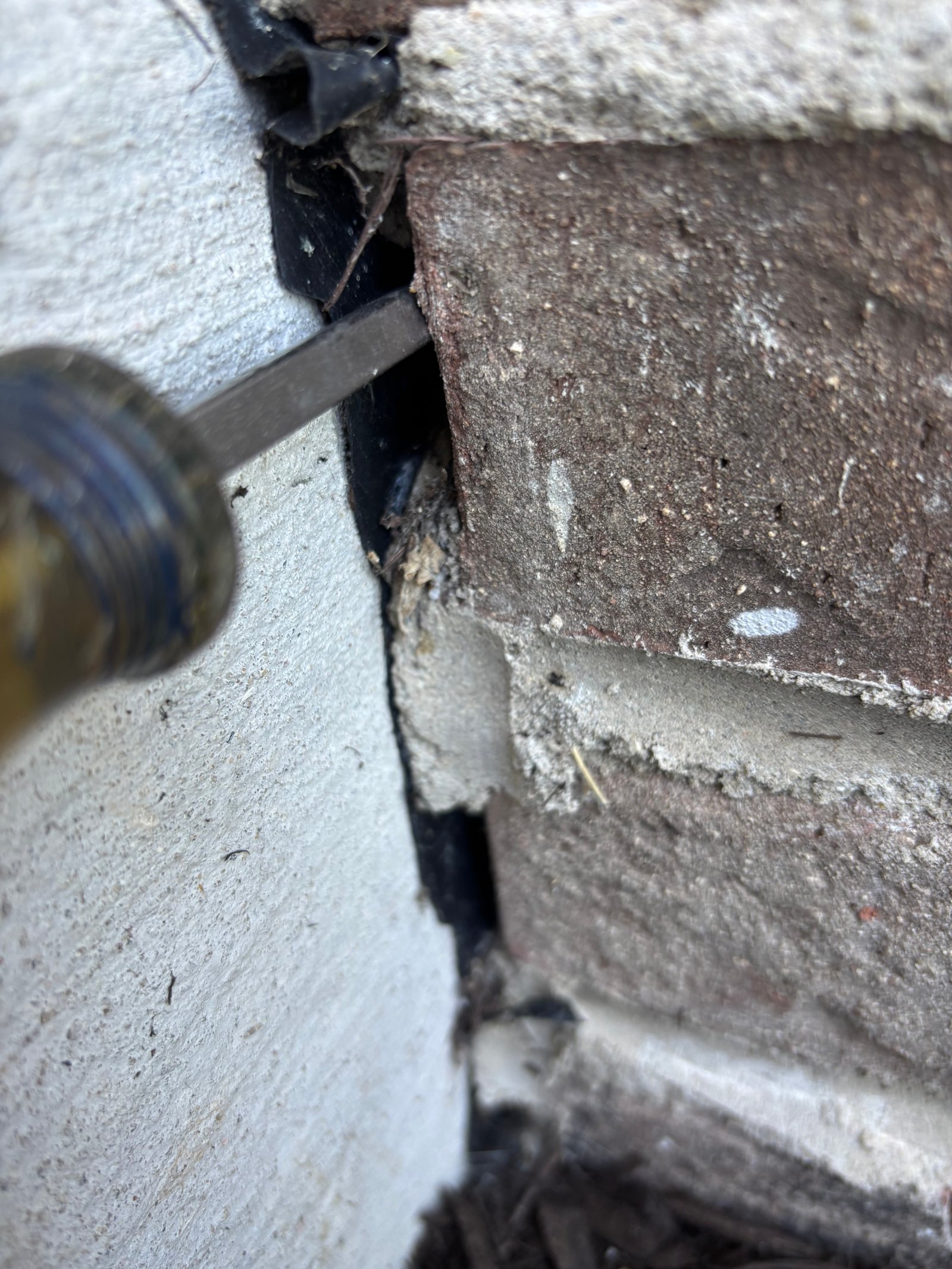
Step 1: Full exterior inspection. We walk the entire perimeter of your home looking for the gaps mice use to get in. Common entry points: gaps around utility penetrations (gas, electric, A/C lines), garage door corners and weatherstripping, dryer vents, soffit and roofline transitions, gaps where siding meets the foundation, and chewed openings in existing screens or vents. Anywhere a pencil can fit, a mouse can fit.
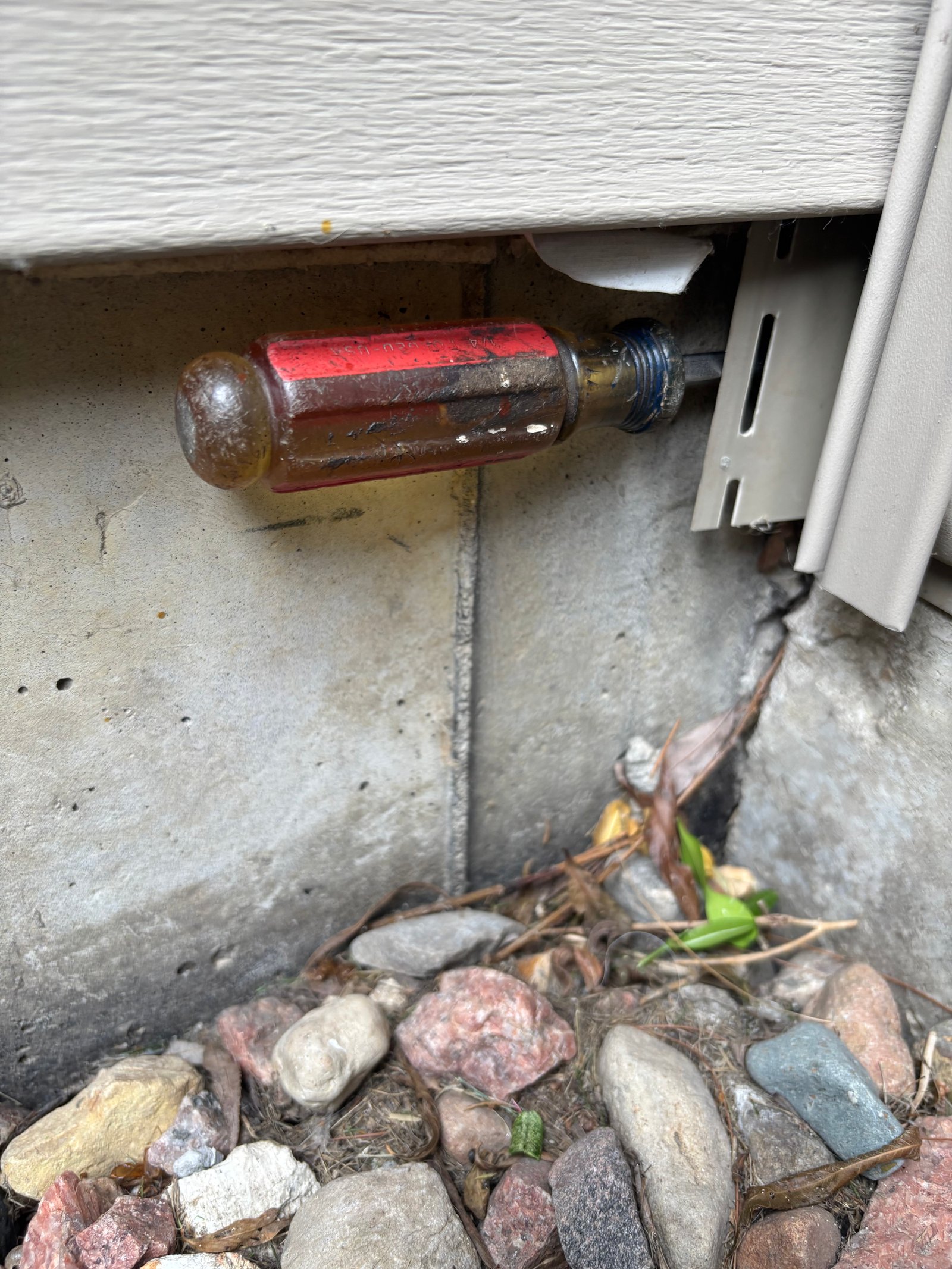
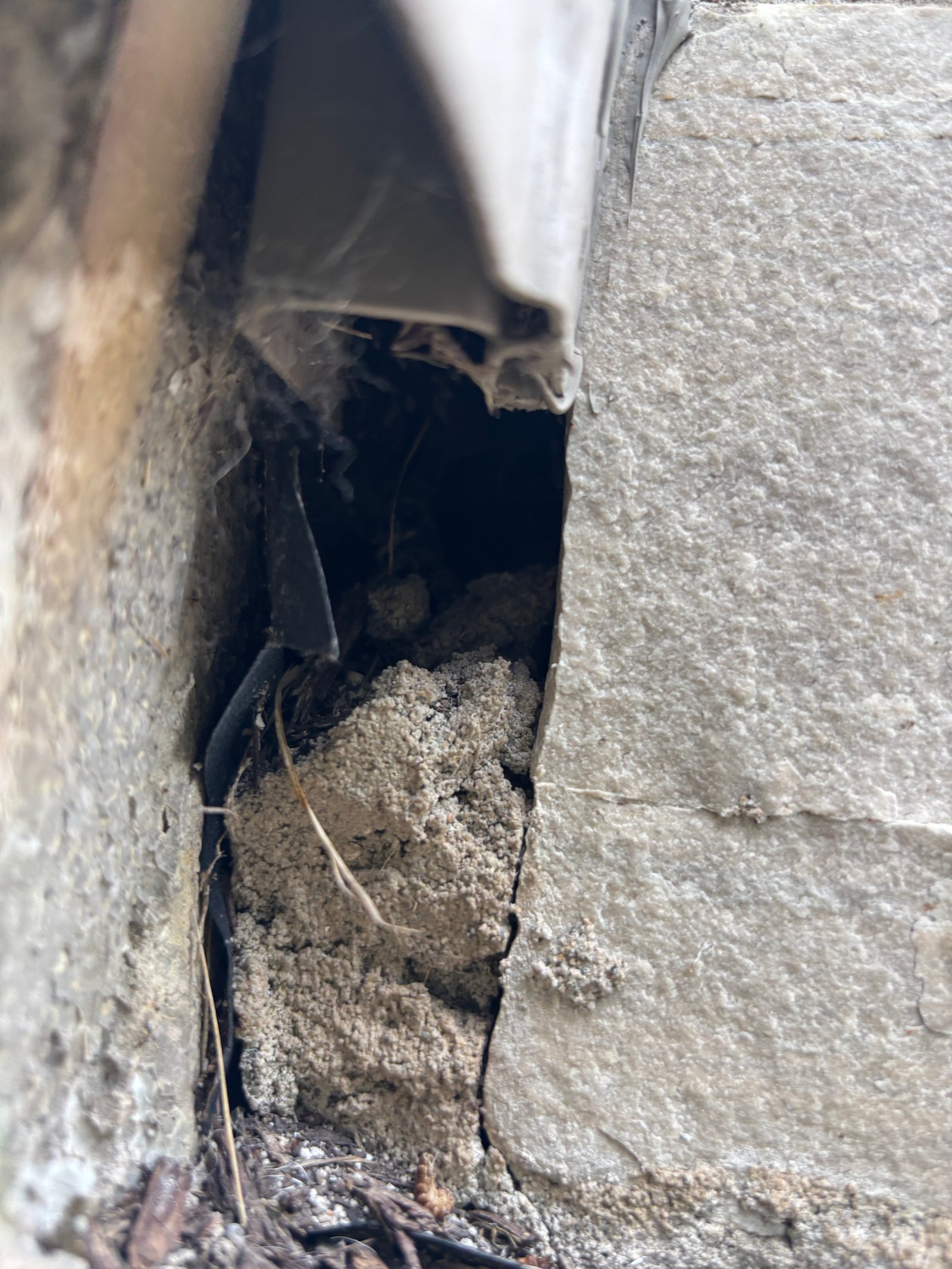
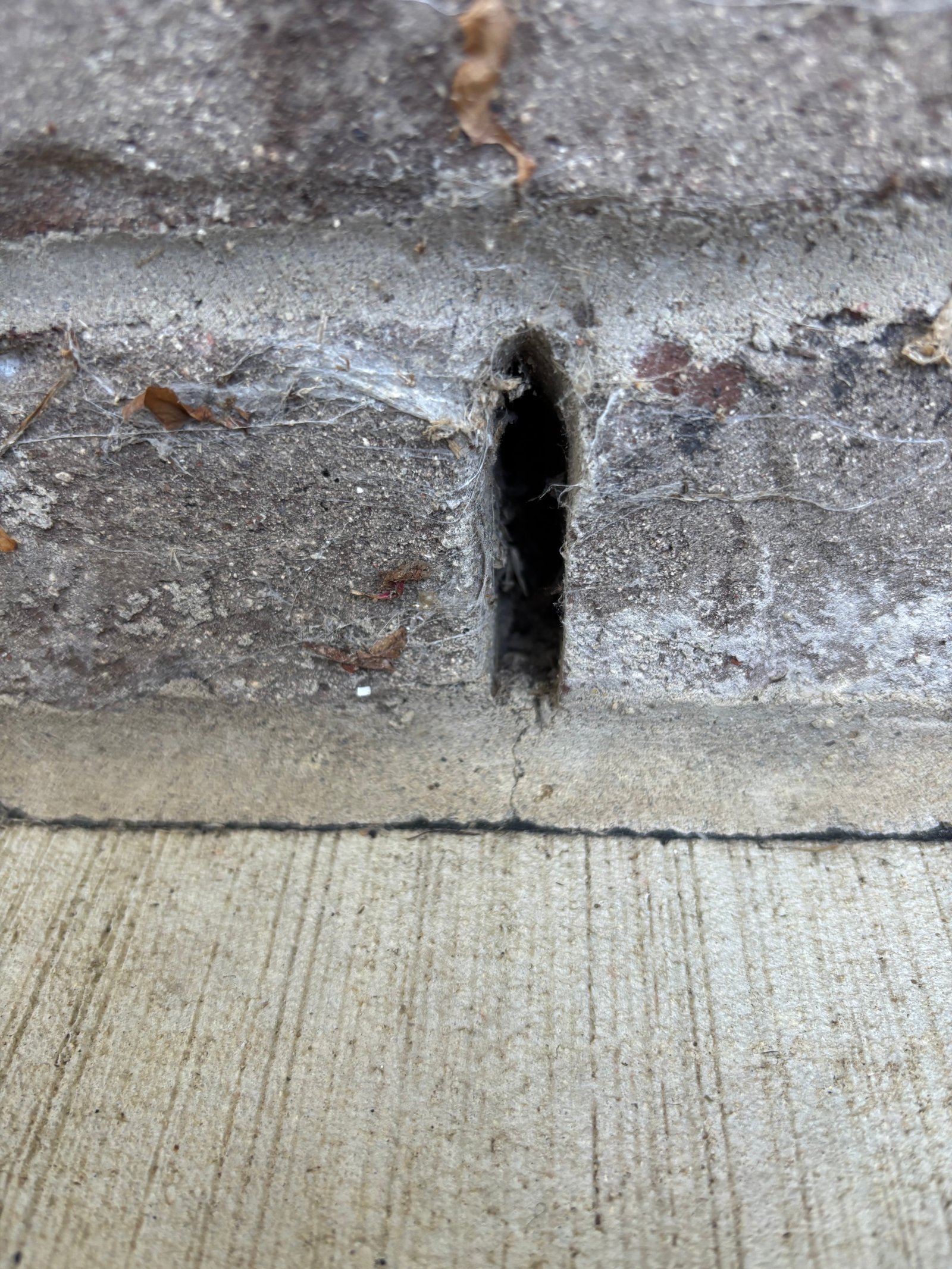
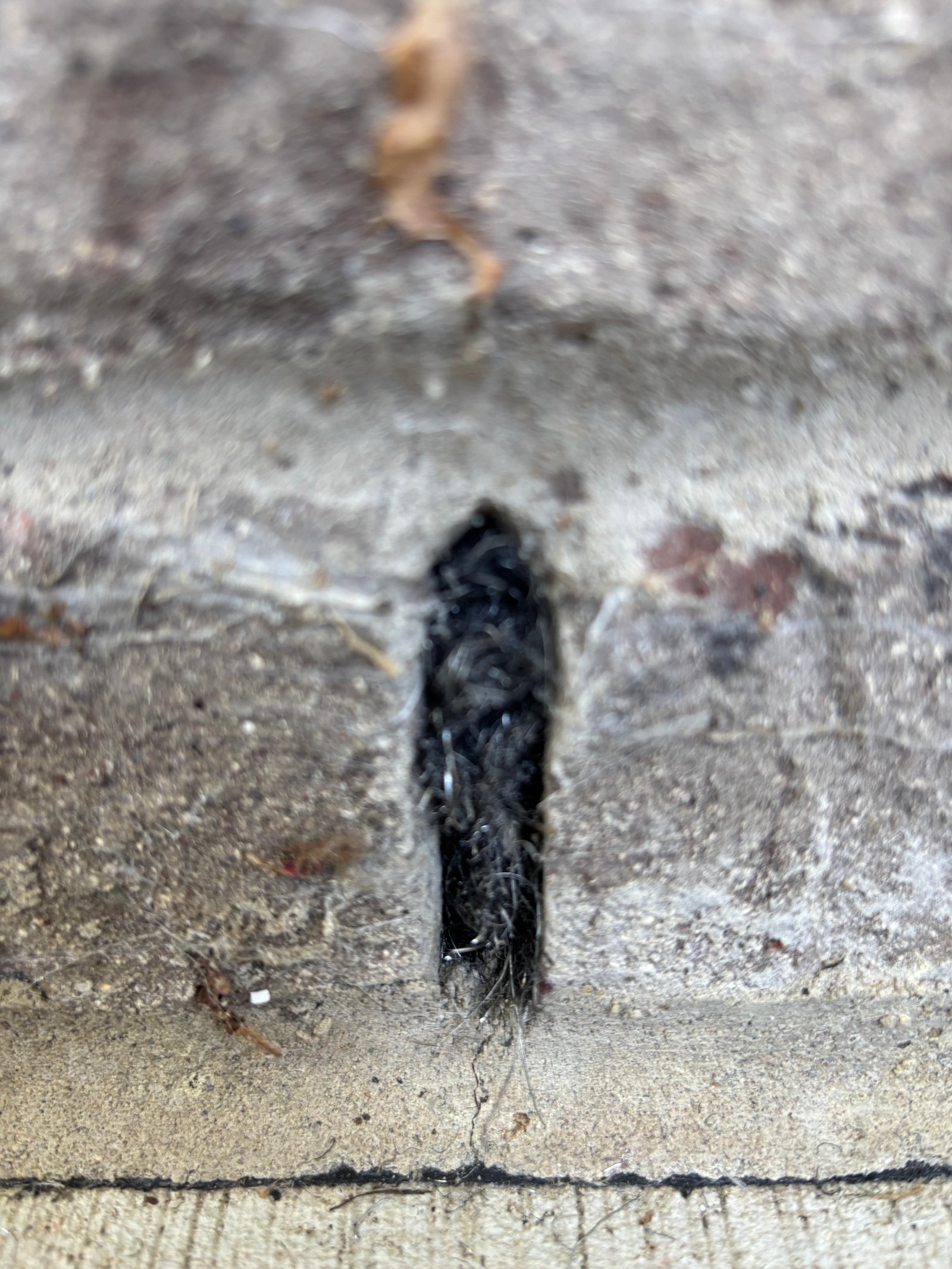
Step 2: Seal entry points with the right materials. The seal has to actually stop a mouse — not just look like it does. We use Excluder, a steel-wool-like material made without any metal, so it won't rust over time. For larger gaps where Excluder isn't a fit, we use expanding foam. Some openings need a custom solution — we'll build screens for sump pump exits, HVAC exhaust vents, and any other unusual penetration mice are using as a doorway. Our exclusion work is guaranteed for one year, renewable annually for a fee.
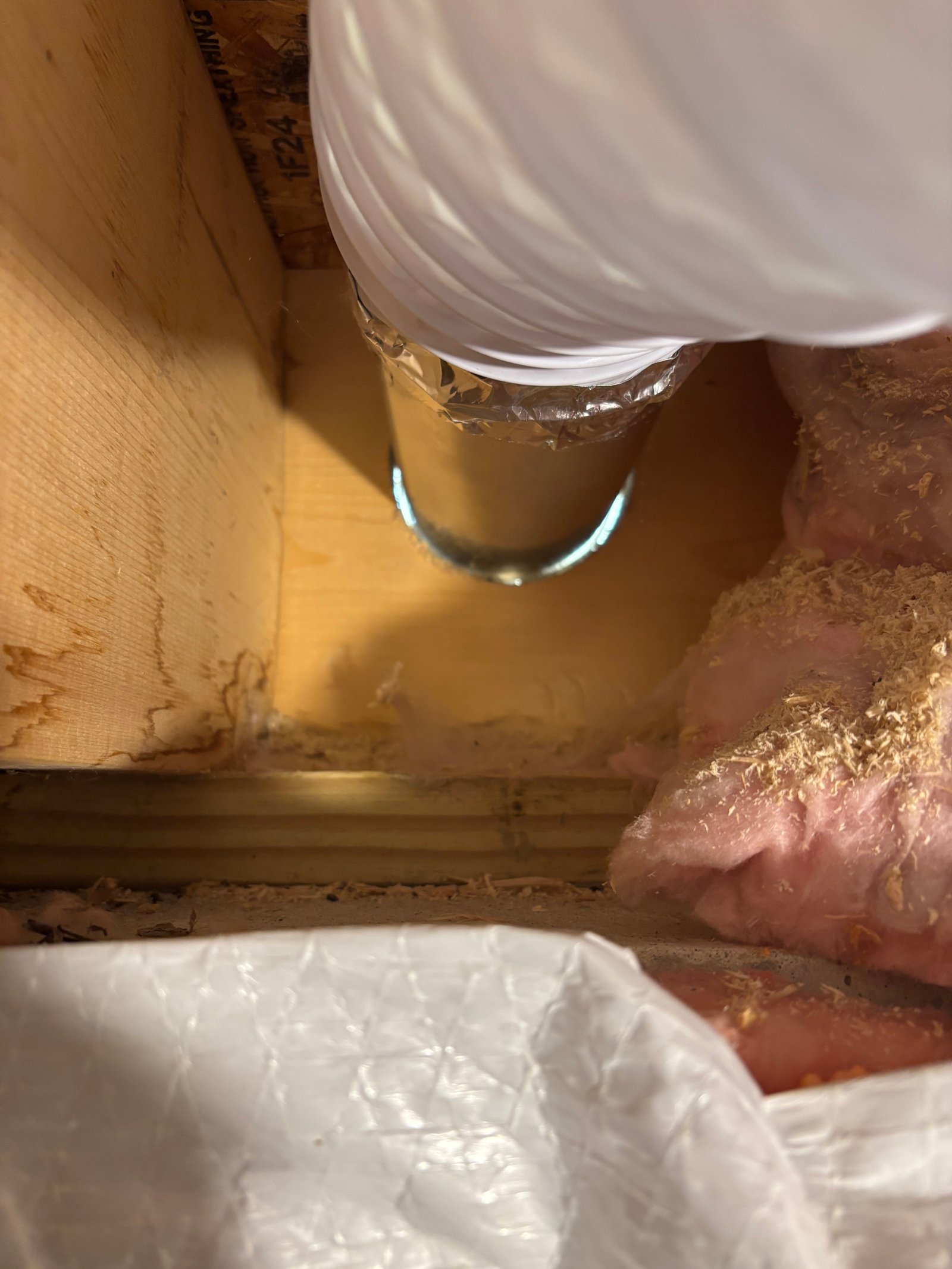
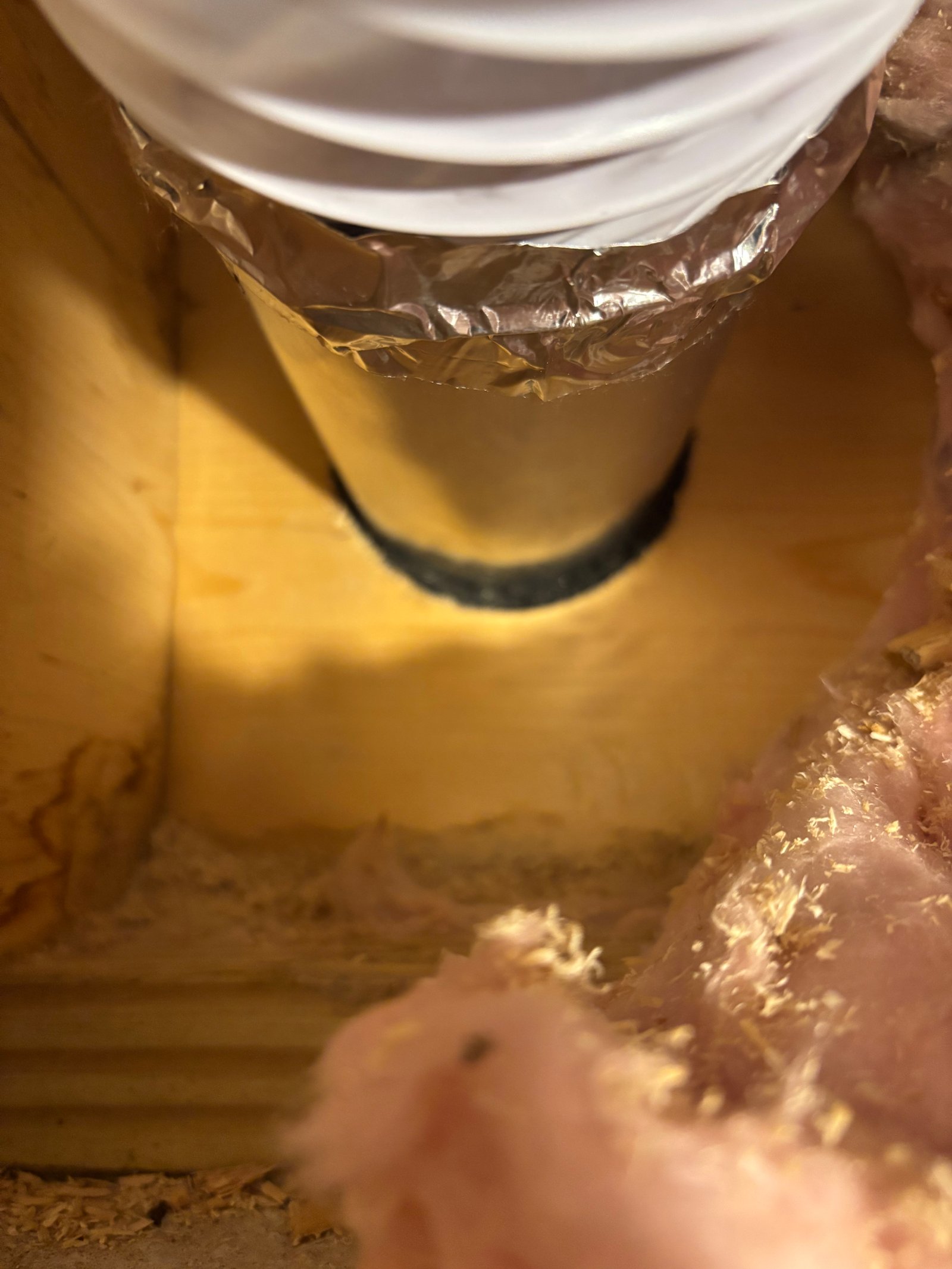
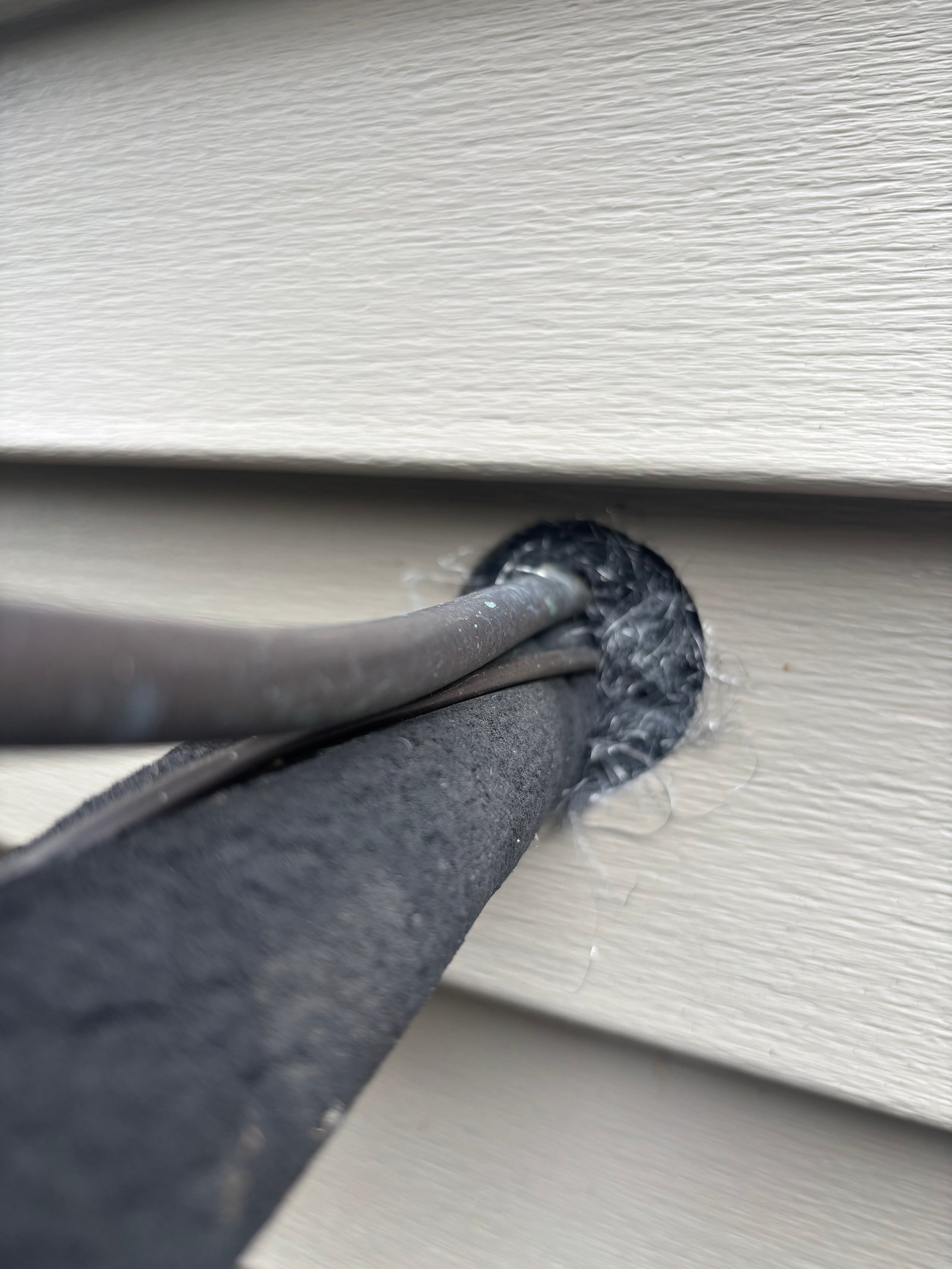
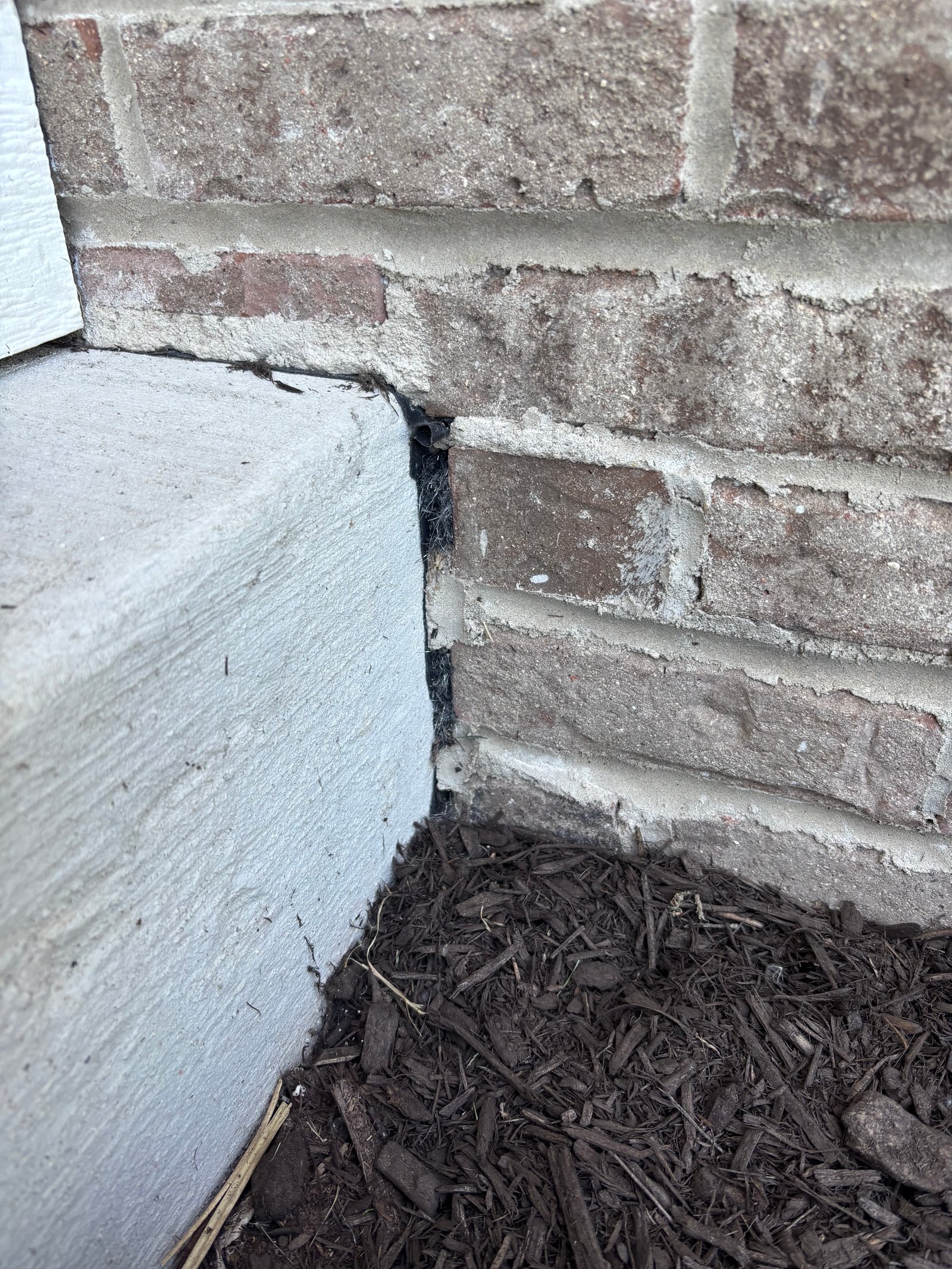
Step 3: Eliminate what's already inside. Once the gaps are sealed, we eliminate any mice still present by using tamper-resistant bait stations — and we leave the stations in place after the immediate problem is resolved so they double as ongoing monitoring. If a station starts showing activity again, we know an entry point was missed and we go back to find it.
Step 4: Follow-up verification. We schedule up to three monthly follow-up visits to verify activity has stopped. If we continue to see activity at the third visit, we track down the missed entry point and seal it. Once the stations come back clean, the exclusion is verified.
Why Bait Stations Alone Won't Solve a Mouse Problem
Bait stations kill mice — but if your house has gaps that mice are using as a doorway, new mice will keep showing up. The station does its job, but the underlying problem is structural, and you'll be replacing bait (and replacing mice) forever. That's a recurring service, not a fix.
Exclusion solves the problem at the structural level. We seal the openings so mice can't get in, then leave tamper-resistant bait stations in place to handle anything already inside and to give us ongoing monitoring. When the stations stop showing activity, that's the proof the exclusion worked.
- Permanent fix, not a recurring service — sealed entry points stay sealed
- One-year guarantee — renewable annually for a fee; if mice get through a sealed entry point during that year, we re-seal at no charge
- Tamper-resistant bait stations — safe around kids and pets, and they double as long-term monitoring
- Works on rats too — same approach, larger materials
- Quoted after inspection — every home is different; we tell you the price after we walk the property, not before
Rodent species we exclude
Tap any species for ID notes, behavior, and what to look for. Sanctuary treats all of these as part of mouse exclusion.



Where We Provide Mouse Exclusion
We serve 13 towns across Will, DuPage, and eastern Kendall counties:
Stop Mice for Good
Tired of catching the same mice every year? Call 815-993-3472 or book online — we'll come out for a free inspection, walk you through the entry points we find, and give you a fixed quote before any work starts.