Termite Swarm Season: What Those Winged Insects in Your Window Really Mean
Every spring, usually on a warm day after rain sometime between March and May, homeowners across Will County find small, dark-bodied winged insects gathered on their windowsills. Sometimes there are just a few. Sometimes there are hundreds. And almost always, there’s a pile of discarded wings scattered like confetti nearby.
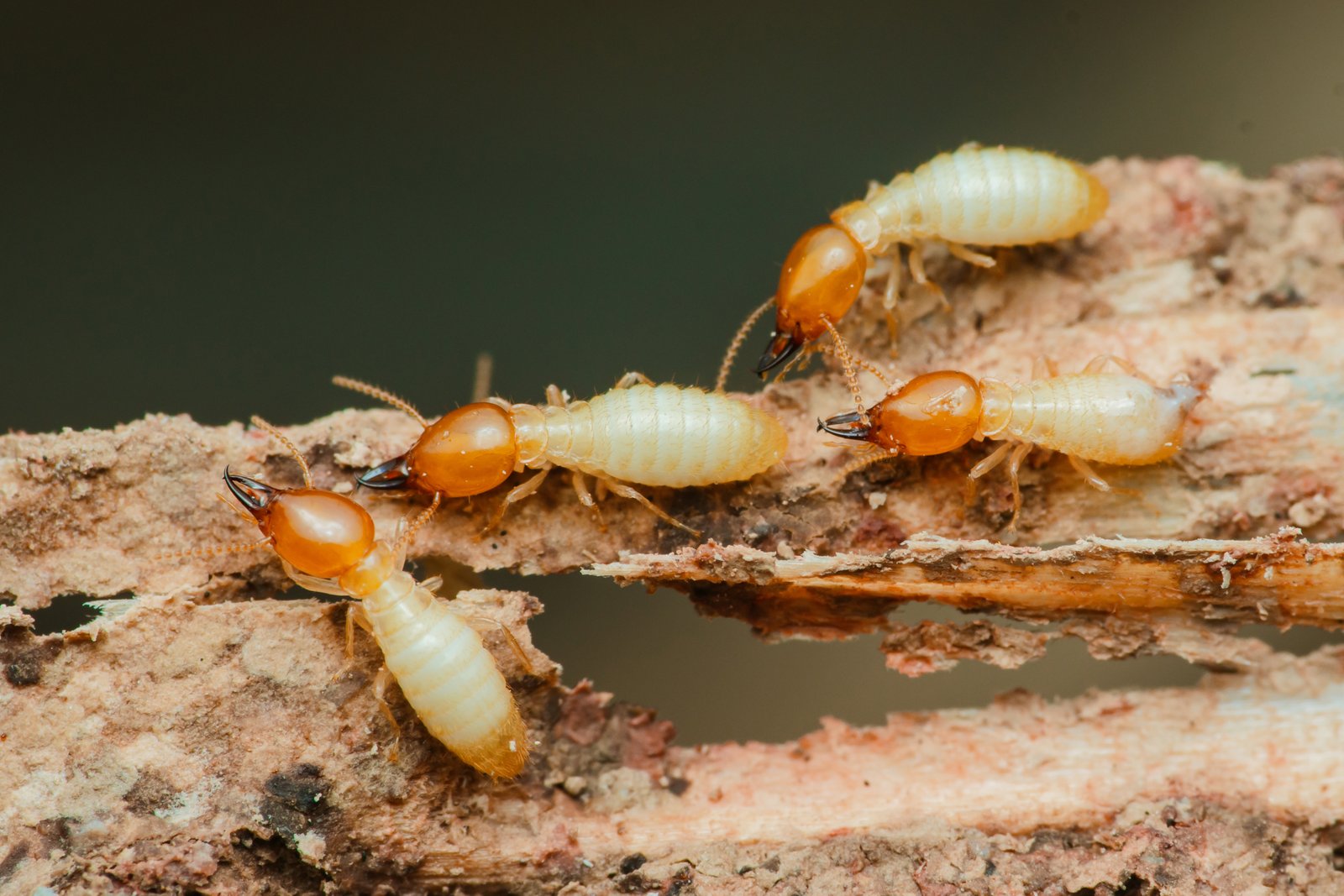
These are termite swarmers — the winged reproductives sent out from a mature Eastern subterranean termite colony to start new colonies. Their appearance means a colony has reached a size and age where it’s producing reproductives, and that colony is somewhere close by.
What the Swarmers Tell You
Swarmers themselves don’t cause damage. They don’t eat wood, they don’t bore into structures, and they die within hours of emerging. What they signal is more important: a large, established termite colony exists within foraging distance of your home. If swarmers are appearing inside your house — emerging from floor trim, around window frames, or from cracks in the basement slab — the colony may already be feeding on your home’s structural wood.
Outdoor swarmers near the house are less immediately alarming but still warrant attention. A colony in the yard can reach a home through underground mud tubes at any point.
The One Identification That Matters
The most common question we hear during swarm season: are these ants or termites? Both species produce winged swarmers that emerge in spring, and they look similar at a glance. The differences are easy to spot once you know them: termite swarmers have a straight, broad waist with no pinching; ant swarmers have a narrow, constricted waist. Termite antennae are straight and bead-like; ant antennae are elbowed. And termite wings are equal in length, falling off in neat piles, while ant wings are unequal.
If you’re finding piles of equal-length wings on your windowsills, don’t ignore them. That’s a termite signature, and it warrants an inspection.
What to Do
Don’t panic, but don’t ignore it either. Collect a few of the insects or wings in a plastic bag so they can be identified. Note where you found them — inside or outside, and exactly which room or area. Then schedule a termite inspection with a licensed termite specialist (we don’t handle termites at Sanctuary — it’s a different specialty with specific equipment, training, and warranty structures, including the WDI/NPMA-33 reports needed for real estate transactions). If you’re not sure who to call, get in touch and we’ll point you toward someone reputable.