Why Ants Keep Coming Back in Plainfield IL Homes
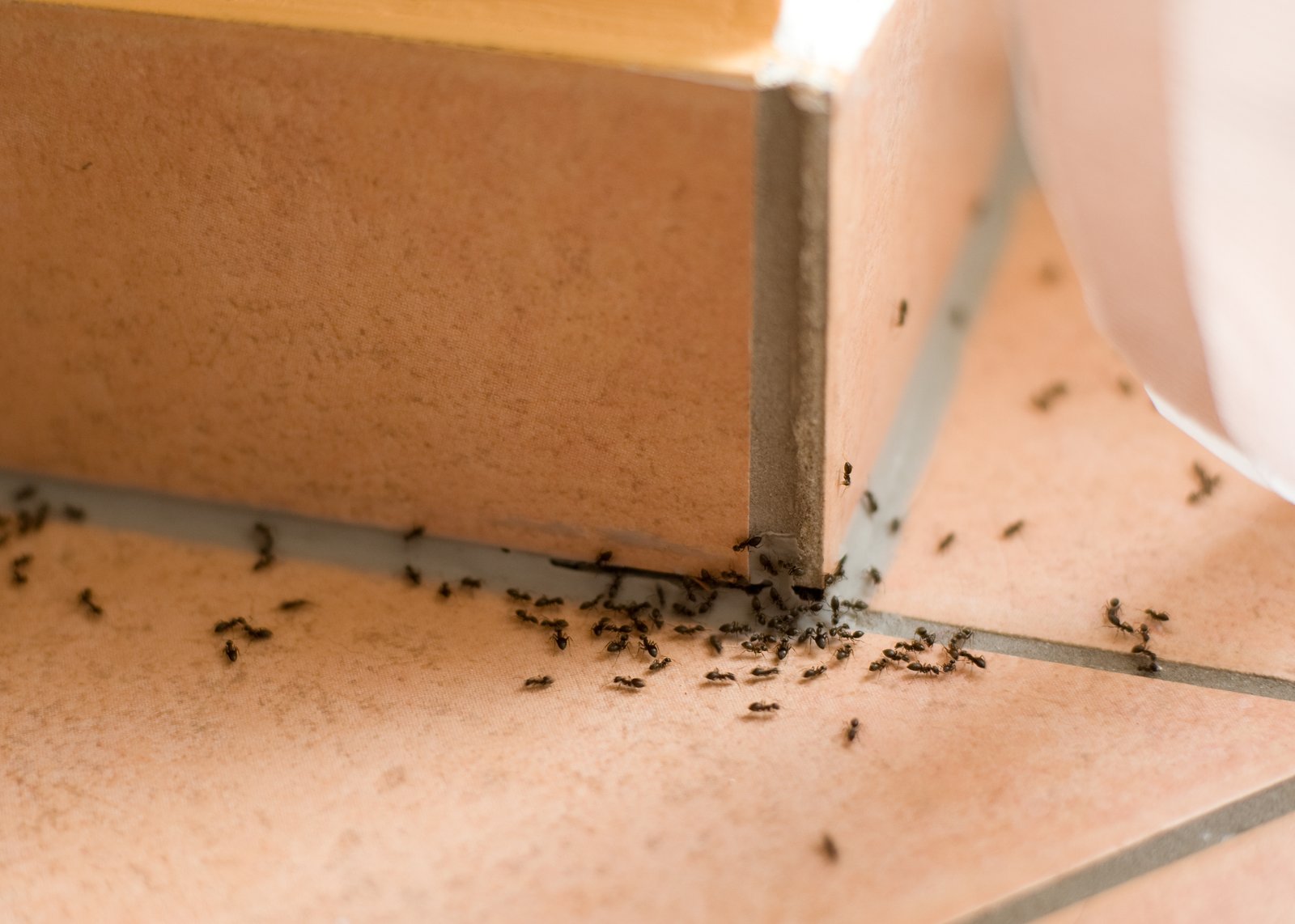
If you live in Plainfield and you’ve been fighting ants every spring for years, you’re not doing anything wrong. Plainfield homes face structural and environmental conditions that make ant pressure higher than average — and that pressure resets every spring whether you treated the previous year or not.
Here’s why.
Plainfield’s Geography Is Ant-Friendly
A few specific things about our area make ants more persistent than the average suburban neighborhood:
Mature tree canopy. Established Plainfield neighborhoods — downtown, the homes around Settlers’ Park, the streets off Route 126 — have decades-old trees that house carpenter ant colonies. Even healthy trees can host colonies in dead branches, hollow trunks, and damaged areas. From there, workers travel into nearby homes following moisture and food.
Creek and river corridors. Lily Cache Creek, the DuPage River, and the natural drainage routes through neighborhoods like Caton Crossing create moist soil along property edges. Carpenter ants and pavement ants both prefer moisture-rich conditions for their colonies. Homes within a few hundred feet of a creek or low spot face higher pest pressure year after year.
Mix of older and newer construction. Plainfield’s older neighborhoods have homes with aging foundations, settled slabs, and crawl spaces with moisture issues — all ant-favorable. Newer subdivisions have freshly disturbed soil that ants exploit during the first few years after construction, and retention ponds in those subdivisions create breeding habitat for mosquitoes that draws the ant predator-prey cycle along with it.
The Annual Reset
Here’s the thing about ant colonies: most don’t die when you spray them. They retreat. The visible workers — the ones on your kitchen counter — are 5-15% of the colony at most. Even if you kill every one you see, the queen and the rest of the colony are still in whatever underground location they call home (or a wall, or a tree). Through fall and winter, they shelter in place and the colony stays intact.
Then spring hits. Warm soil temperatures wake the colony up. The queen starts producing eggs. New workers emerge and start scouting for food and water. By April or May, the foragers are back at the same kitchen baseboard they used last year — because the colony’s chemical trail back to that food source is still in place.
This is why “I sprayed last spring and now they’re back” is the most common ant story we hear. The spring you saw wasn’t the end; it was just the part where you could see them.
What Actually Breaks the Cycle
Three things, in combination:
1. Take out the colony, not the foragers. Two professional tools reach the queen: non-repellent sprays (ants can’t sense them, so they walk right across the treated area, pick up the active ingredient on their bodies, and carry it back to the colony where it transfers ant-to-ant during grooming) and bait products (workers carry the bait back and share it with the queen). The non-repellent spray is the workhorse — used most of the time and the most reliable. Baits get added when they’re the right fit. Either way, the queen goes and the colony collapses. This is the part DIY usually misses — store sprays kill on contact but don’t carry back to the queen, so the cycle continues.
2. Stop them from re-establishing. After the colony is gone, the conditions that drew them in the first place are still there: cracks in foundations, gaps around utility penetrations, moisture against the house. This part is DIY — a tube of silicone caulk and an afternoon of sealing gaps. We don’t do insect exclusion work ourselves (we focus on the treatment side), but the principle is simple: close the doorway, and new colonies have a harder time setting up. Worth doing.
3. Monitor through the year. Our quarterly pest control program exists for this reason. Each seasonal visit is timed to intercept the part of the ant cycle that’s active: spring foragers, summer expansion, fall colony preparation, winter shelter. We treat what’s actually happening on your property at that moment — not the same one-size pass every visit.
What to Do This Spring
If you’re seeing ants right now and you’re tired of the cycle, the realistic options:
- Call us for a free inspection. We’ll identify the species and tell you what we’re seeing on your property — entry points, conducive conditions, where the colony likely lives. You decide what to do with that information.
- Start the quarterly program. Four visits per year, ant monitoring at every visit, free re-treatments between visits if pests come back.
- Treat the immediate problem with targeted ant control if you’d rather solve this spring’s issue without the annual commitment.
Either way, the next-year cycle stops when you address the colony — not when you spray the trail.