
Blacklegged Tick (Deer Tick) Identification & Control
Ixodes scapularis
The blacklegged tick is the primary carrier of Lyme disease in the eastern and north-central United States, and its presence in Illinois has been increasing in.
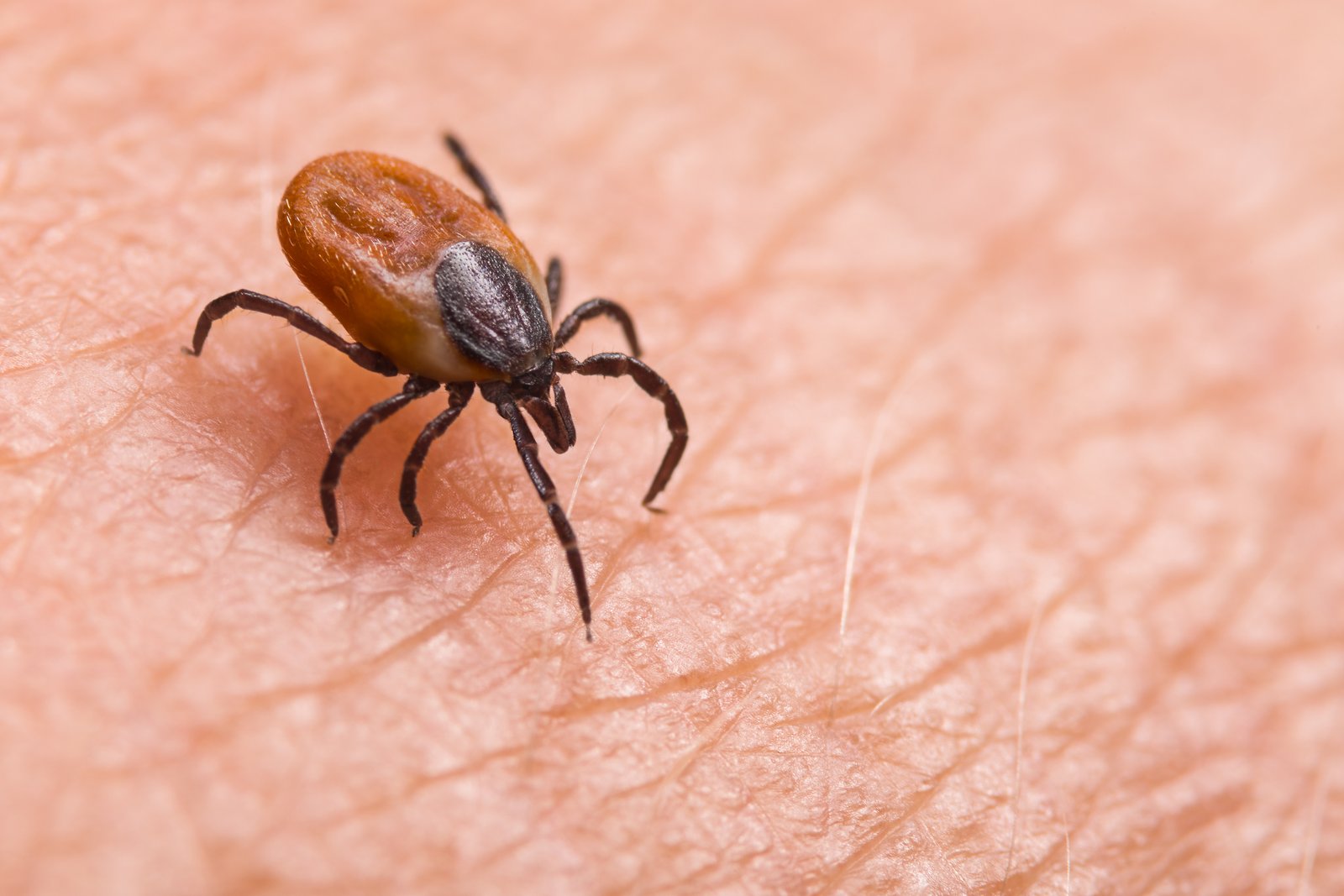
Quick Identification
- Size: Adult about the size of a sesame seed; nymph about the size of a poppy seed
- Color: Dark brown to reddish-brown body with distinctive black legs
- Key Features: Flat, oval body (when unfed); long, narrow mouthparts visible from above; no white markings on back (unlike American dog tick)
- Active Season: Spring through fall for nymphs and adults; adults can remain active into late fall and even through mild winter periods near freezing
- Risk Level: High — primary vector of Lyme disease in the United States
The Lyme Disease Tick
The blacklegged tick is the primary carrier of Lyme disease in the eastern and north-central United States, and its presence in Illinois has been increasing in recent years. The Illinois Department of Public Health reports that deer ticks have been found sporadically in many Illinois counties, with established populations most common in northern Illinois and along river corridors. The Illinois Lyme Association reports that approximately 40 percent of deer ticks tested in Illinois carry the Lyme disease bacteria.
Lyme disease is a bacterial infection that, if caught early, responds well to antibiotic treatment. But if missed, it can progress to chronic joint pain, neurological problems, and fatigue that persists for months or years. The early sign is often a characteristic bull’s-eye rash at the bite site, though not all infected people develop one. Other early symptoms include fever, chills, headache, and fatigue — easily mistaken for the flu. The CDC notes that a tick generally must be attached for more than 24 hours to transmit the Lyme bacteria, which is why prompt tick checks after outdoor activity are critical.
Nymphal ticks pose the greatest risk because they’re so small (poppy seed–sized) that they’re easily missed on the skin. They’re most active from April through July in Illinois. Adult deer ticks are active in both spring and fall, and can remain active into winter during mild periods — many homeowners let their guard down after summer, but fall is actually a peak period for adult deer tick activity.
Behavior and Habitat
Blacklegged ticks prefer wooded, shaded environments with leaf litter and ground cover. They don’t jump or fly — they “quest” by waiting on vegetation with their front legs extended, latching onto hosts that brush past. The transition zone between maintained lawn and wooded or natural areas is the highest-risk habitat. In suburban Plainfield, properties bordering forest preserves, creek corridors, the DuPage River, and areas with dense landscaping are most susceptible.
Deer are an important host for adult blacklegged ticks, and expanding deer populations in suburban areas contribute to tick range expansion. However, the ticks themselves don’t live on deer long-term — they feed, drop off, and quest for new hosts from ground-level vegetation.
In Plainfield and Will County
Properties bordering wooded areas, the DuPage River corridor, and natural green spaces face the highest tick pressure. Our professional tick barrier treatments target the shaded transition zones and leaf litter edges where ticks actually live and quest for hosts. Combined with habitat modification recommendations, we significantly reduce tick encounters in your yard. Contact Sanctuary Pest Control at 815-993-3472 for a professional tick assessment.
Related pests
Sources: Illinois Department of Public Health (dph.illinois.gov) — Common Ticks and Tick Identification; Centers for Disease Control and Prevention (cdc.gov) — Lyme Disease; Illinois Lyme Association (illymeassociation.org).
Spotted blacklegged tick (deer tick) at your home?
Free inspection — we ID the species, confirm the issue, and give you a fixed quote before any treatment.