Voles Identification & Control
Microtus spp.
Voles are the most underestimated lawn pest in Will County. They create visible runway systems — narrow, 1 to 2 inch wide trails of clipped grass — across.
Quick Identification
- Size: 4½ to 7 inches total, weighing 1 to 2 ounces
- Color: Grizzled brown to reddish-brown fur
- Key Features: Stocky body, short legs, small furred ears, short tail (less than one-third body length) — distinguishes them from mice
- Species in Illinois: Meadow vole, prairie vole, and woodland vole — meadow and prairie most common in Will County
- Active Season: Year-round; damage most visible in spring after snowmelt
- Risk Level: Moderate — landscape and garden damage, not a structural or significant health threat
The Damage Voles Cause
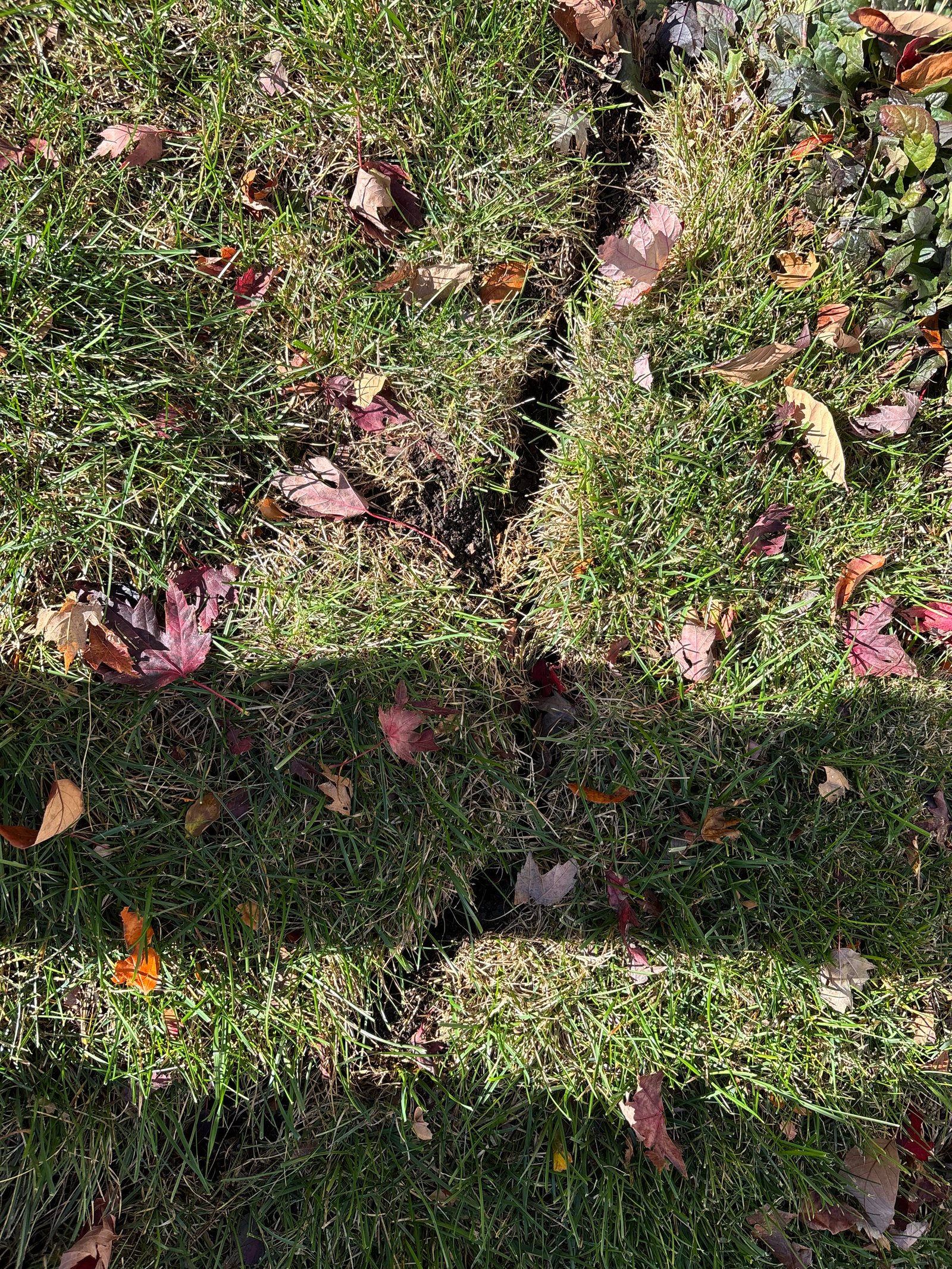
Voles are the most underestimated lawn pest in Will County. They create visible runway systems — narrow, 1 to 2 inch wide trails of clipped grass — across lawns as they travel between nesting areas and food sources. During winter, snow cover hides their activity, and when it melts in spring, homeowners discover networks of bare trails crisscrossing their yards. The lawn damage itself is usually cosmetic and regrows by summer, but the real harm comes from what voles eat when preferred food is scarce.
Voles are herbivores. They feed on grass stems, roots, seeds, and bulbs during the growing season. In winter, when food becomes limited, they gnaw bark from the bases of trees and shrubs — a behavior that can girdle and kill young fruit trees, ornamental plantings, and newly installed landscaping. The University of Illinois Extension notes that voles are a major source of homeowner frustration, particularly when newly planted trees are found completely ring-barked come spring.
Vole populations cycle dramatically. Under favorable conditions, populations can spike from 10 to over 250 voles per acre. Mild winters with good snow cover — which protects them from predators — fuel population explosions. A single female can produce five to ten litters per year with three to five young per litter, and females can begin breeding at just three weeks old.
Voles vs. Moles
Homeowners frequently confuse voles and moles, but they're very different animals causing very different damage. The easiest way to remember: moles are meat-eaters (insectivores) that tunnel underground chasing grubs and earthworms, leaving raised ridges and volcano-shaped dirt mounds. Voles are vegetarians (herbivores) that create surface runway systems through grass and feed on roots, bark, and plant material. Mole damage is subsurface; vole damage is at or near the surface. Both are common in Plainfield, and both require different control approaches.
In Plainfield and Will County
Vole damage is particularly common in Winding Creek, Carillon, and other Plainfield neighborhoods with substantial landscaping and open ground. Properties near retention areas and natural green spaces provide ideal vole habitat. If you're seeing runway systems in your lawn, finding bark damage at the base of young trees, or noticing plant loss in garden beds, contact Sanctuary Pest Control at 815-993-3472. Early intervention prevents the extensive landscape damage that compounds quickly once vole populations build.
Related pests
Sources: University of Illinois Extension (extension.illinois.edu) — Vole Winter Damage; Wildlife Illinois (wildlifeillinois.org) — Voles; Illinois Extension, Good Growing Blog — Moles and Voles.
Spotted voles at your home?
Free inspection — we ID the species, confirm the issue, and give you a fixed quote before any treatment.