Odorous House Ant Identification & Control
Tapinoma sessile
Odorous house ants look nearly identical to pavement ants at a glance — both are small and dark. The definitive test is the smell: crush one between your.
Quick Identification
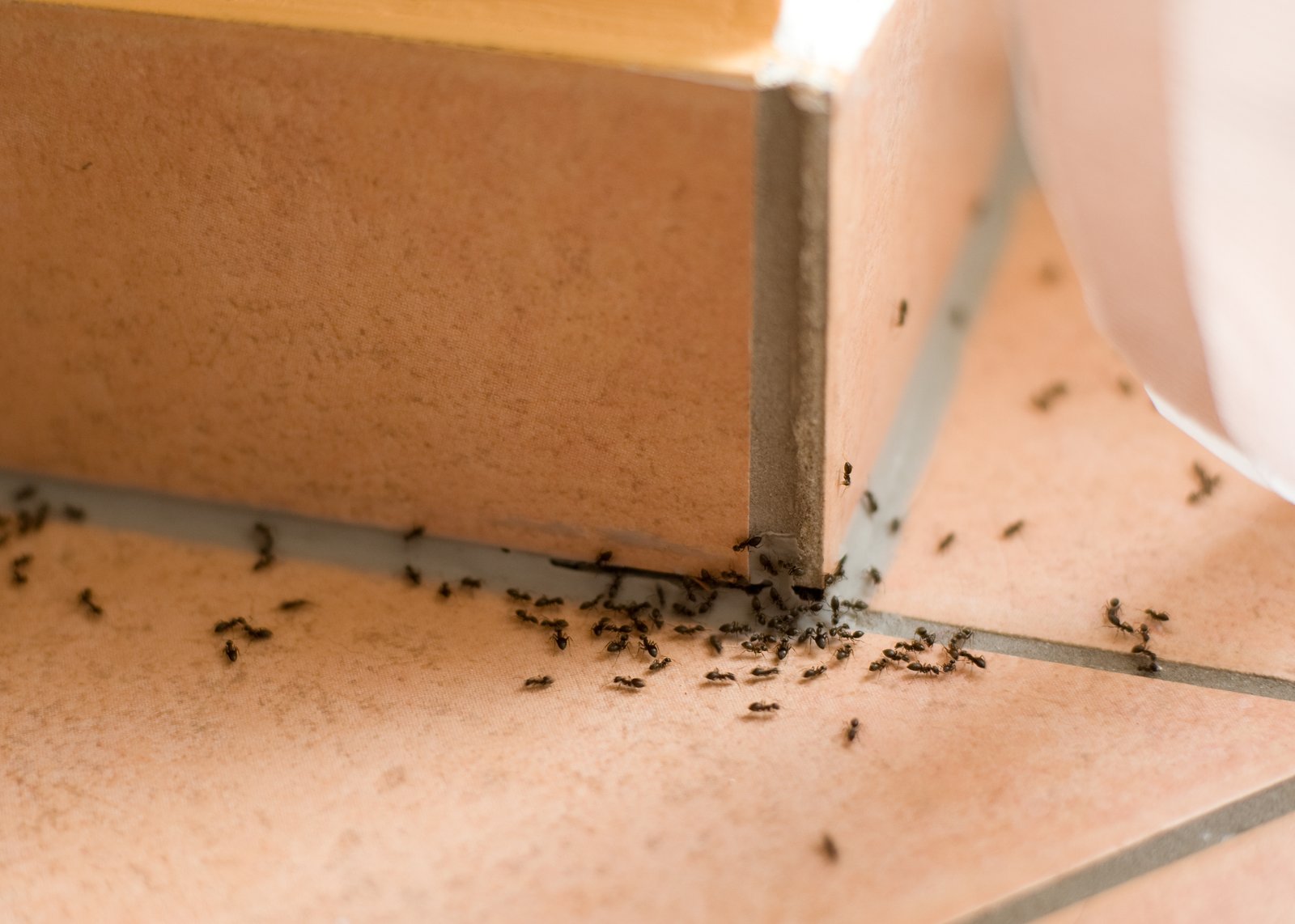
- Size: About ⅛ inch long
- Color: Dark brown to black
- Key Features: Produces a distinctive rotten coconut smell when crushed — the easiest way to identify this species
- Common Names: Sugar ant, stink ant, coconut ant
- Active Season: Spring through fall; moves indoors during rain and in fall
- Risk Level: Low — nuisance, but colonies are large and persistent
What Makes Them Different
Odorous house ants look nearly identical to pavement ants at a glance — both are small and dark. The definitive test is the smell: crush one between your fingers, and if you detect a rotten coconut odor, you’ve got odorous house ants. This isn’t just a fun fact — it matters for treatment, because these ants behave differently than pavement ants.
Odorous house ants form massive colonies with multiple queens, which allows them to reproduce rapidly and establish new satellite colonies quickly. When a colony is stressed — by flooding, disturbance, or incorrect pesticide application — it can split (or “bud”) into multiple smaller colonies, each with its own queen. This means spraying them with over-the-counter products often makes the problem worse by scattering the colony into several new locations throughout your home.
They nest under rocks, boards, and debris outdoors, and in wall voids and floor cavities indoors. They feed on sweets, honeydew, meat, and dairy, and they’re drawn indoors by heavy rain and cooling fall temperatures. The Illinois Department of Public Health notes they’ve become an increasingly common household invader in recent years.
In Plainfield and Will County
Odorous house ants are common throughout Plainfield’s newer construction south of Route 126, where foundation-to-soil gaps and developing landscaping create easy access. They establish trailing colonies along foundations and garage edges, and once they find an indoor food source, colonies numbering in the tens of thousands are common. The right treatment matters more for this species than most — repellent sprays trigger budding and make the problem worse, so professionals use either non-repellent sprays (ants can’t detect them and carry the active ingredient back to the colony) or bait products, depending on the situation. Contact Sanctuary Pest Control at 815-993-3472.
Related pests
Sources: Illinois Department of Public Health (dph.illinois.gov) — Ants; University of Illinois Extension — Ants in the Kitchen; Forest Preserve District of Will County.
Spotted odorous house ant at your home?
Free inspection — we ID the species, confirm the issue, and give you a fixed quote before any treatment.