Pharaoh Ant Identification & Control
Monomorium pharaonis
Pharaoh ants are the most difficult ant species to control, and incorrect treatment makes them significantly worse. Like odorous house ants, pharaoh ant.
Quick Identification
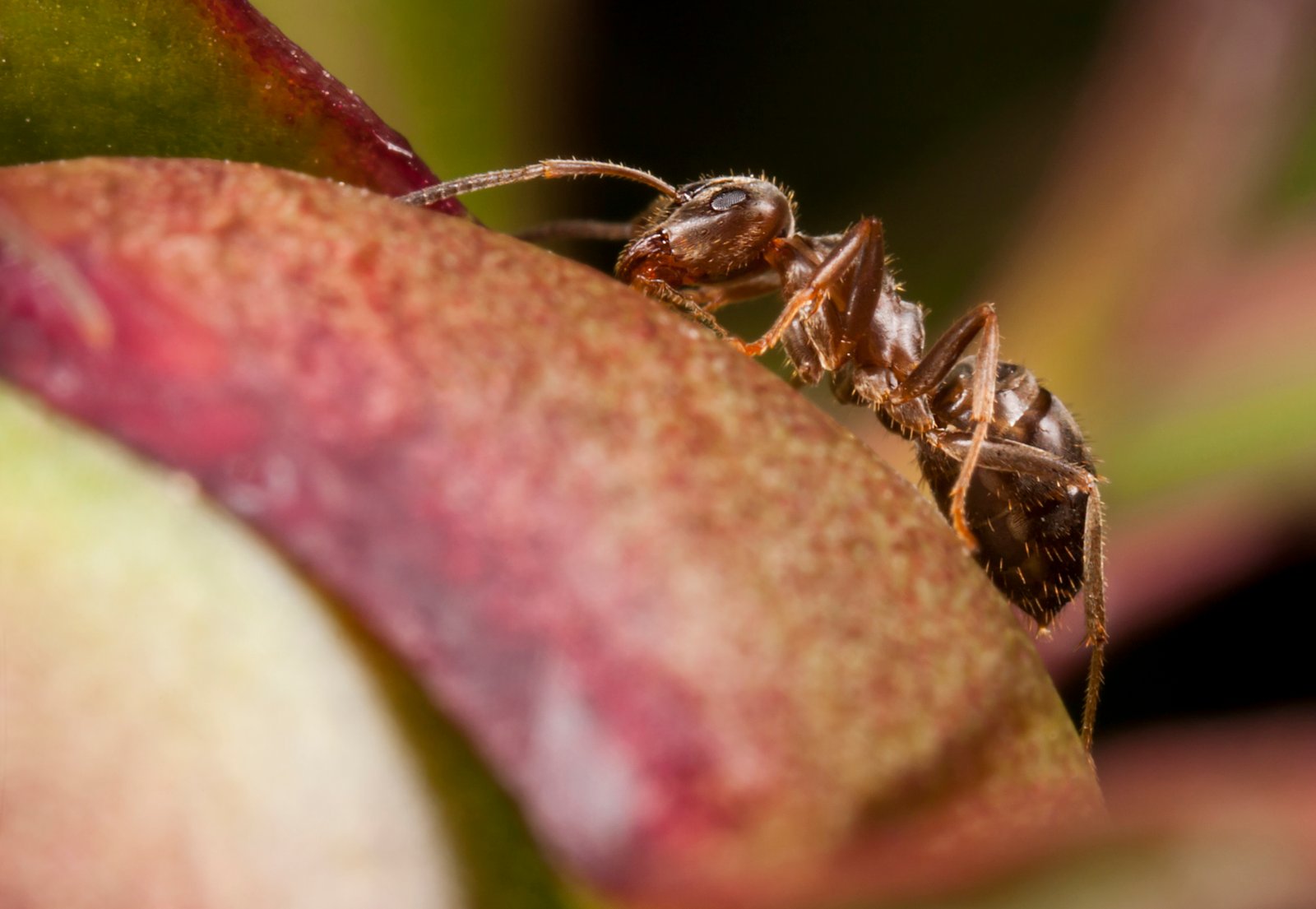
- Size: About 1/12 inch long — extremely small
- Color: Yellow to reddish-brown with a darker abdomen
- Key Features: Three-segment antennal club; nests in warm indoor locations year-round; colonies can exceed 100,000 workers
- Active Season: Year-round indoors
- Risk Level: Moderate — difficult to eliminate; health concern in hospitals and food-handling areas
The Hardest Ant to Eliminate
Pharaoh ants are the most difficult ant species to control, and incorrect treatment makes them significantly worse. Like odorous house ants, pharaoh ant colonies reproduce through budding — when the colony is stressed by repellent sprays, it fractures into multiple sub-colonies that scatter to new locations throughout the structure. A single colony can contain more than 100,000 workers with multiple queens, and the budding response can be triggered by something as simple as a homeowner spraying a retail ant killer near a trail.
These ants are almost exclusively indoor pests. They nest in wall voids, behind appliances, inside electrical boxes, beneath flooring, and near heat sources. They use electrical wiring and plumbing as “highways” to travel between rooms and floors, making them extraordinarily difficult to track to their nest. They’re attracted to greasy and sweet foods and are particularly problematic in facilities with commercial food handling.
The Illinois Department of Public Health specifically warns that pharaoh ants in hospitals can carry infectious bacteria from the warm, moist areas they inhabit to intravenous fluids, blood, and wounds. In residential settings, the health risk is lower, but the difficulty of elimination remains — professional baiting with species-specific formulations, placed along foraging trails without disturbing the colony, is the only reliably effective approach.
In Plainfield and Will County
Pharaoh ants are less common than pavement or odorous house ants in suburban Plainfield, but when they do appear, they’re persistent. If you’re seeing tiny yellowish ants near kitchen appliances, bathroom fixtures, or electrical outlets — especially year-round — do not spray them. Contact Sanctuary Pest Control at 815-993-3472 for professional identification and targeted baiting before the colony fractures.
Related pests
Sources: Illinois Department of Public Health (dph.illinois.gov) — Ants; Forest Preserve District of Will County.
Spotted pharaoh ant at your home?
Free inspection — we ID the species, confirm the issue, and give you a fixed quote before any treatment.